
How to Create Healthy Habits for Families in 5 Minutes (Even With Crazy Schedules)
- Dan DeLauter

- Jan 31
- 5 min read
Most families today juggle packed schedules filled with work deadlines, school activities, and endless to-do lists. The common misconception is that building healthy habits requires hours of dedicated time that busy families simply don't have. However, research shows that sustainable wellness changes can happen in just five minutes of intentional action.
The secret lies in understanding that small, consistent actions compound over time. Rather than attempting dramatic lifestyle overhauls that inevitably fail, successful families focus on micro-habits that seamlessly integrate into their existing routines. These brief moments of health-focused activity create momentum that naturally expands into larger positive changes.
The Science Behind 5-Minute Habits

Health behavior research demonstrates that the biggest barrier to habit formation isn't lack of motivation: it's the overwhelming nature of ambitious goals. When families try to implement hour-long workout routines or complete meal prep sessions, they often abandon these efforts within weeks.
Five-minute habits work because they bypass the brain's resistance to change. The amygdala, which triggers our fight-or-flight response, doesn't perceive brief activities as threats to our current routine. This means family members are more likely to follow through consistently, creating the neural pathways that solidify lasting behavior change.
The key is focusing on frequency over duration. A five-minute daily walk builds stronger habits than sporadic weekend hiking marathons. This approach allows busy parents to model healthy behavior for their children while accommodating unpredictable schedules.
Quick Exercise Solutions for Busy Families
MICRO-MOVEMENT BREAKS
Commercial breaks and transition times between activities present perfect opportunities for family fitness. Challenge everyone to see who can complete the most jumping jacks during a three-minute commercial break, or hold a plank contest while waiting for dinner to finish cooking.
Stair climbing becomes an instant cardio session when family members race to see who can reach the top first. Even simple activities like calf raises while brushing teeth or wall push-ups while waiting for the microwave create movement habits that require zero extra time.
ACTIVE TRANSITIONS
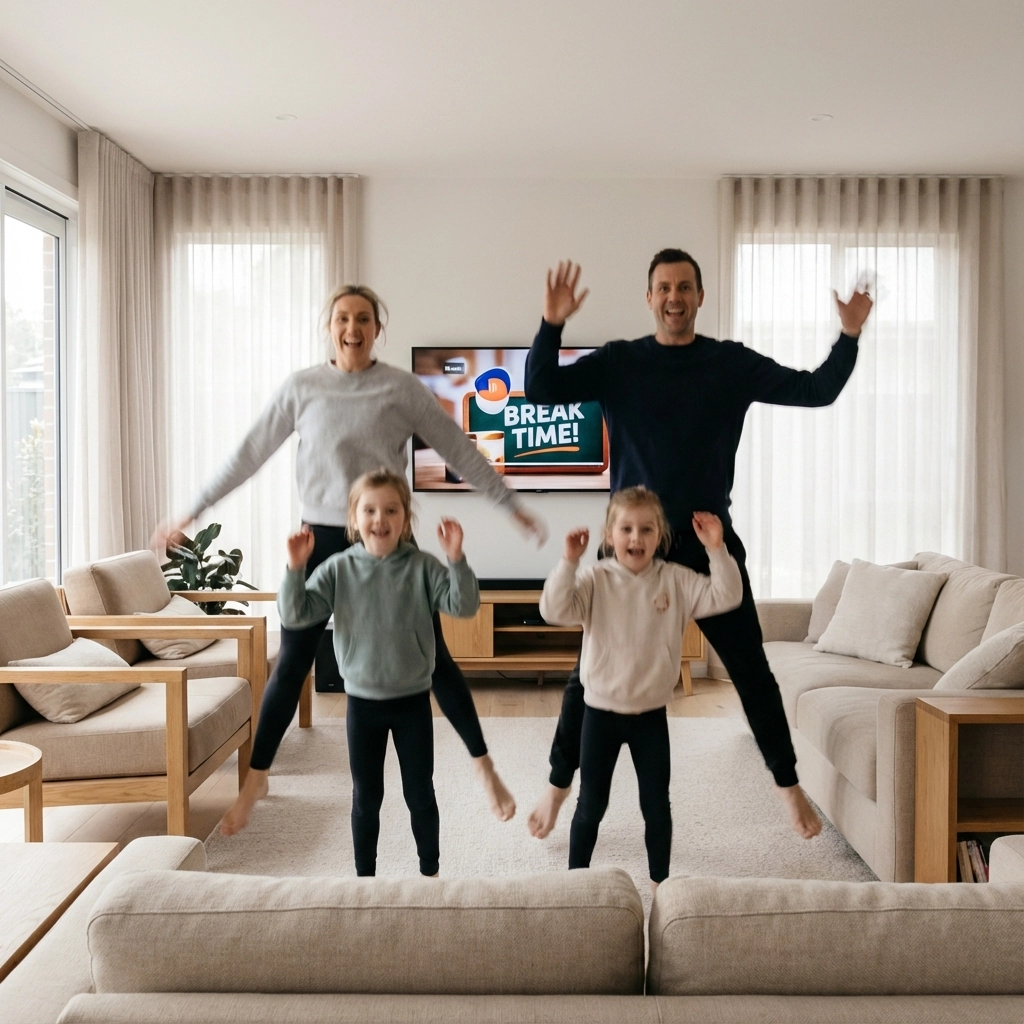
Transform necessary movements into exercise opportunities. Walking to the mailbox becomes a family power-walk competition. Carrying groceries from the car turns into a strength training session when everyone grabs bags and focuses on proper lifting form.
Dancing while doing household chores not only makes cleaning more enjoyable but also increases heart rate and burns calories. Children especially respond well to this approach, viewing movement as play rather than exercise.
BEDTIME STRETCHING ROUTINES
Establish a five-minute family stretching session before bedtime. Simple stretches like toe touches, arm circles, and gentle spinal twists help everyone wind down while improving flexibility. This routine signals the body to prepare for sleep while creating a calming family ritual.
Nutrition Shortcuts That Actually Work
PRE-PORTIONED SNACK STATIONS
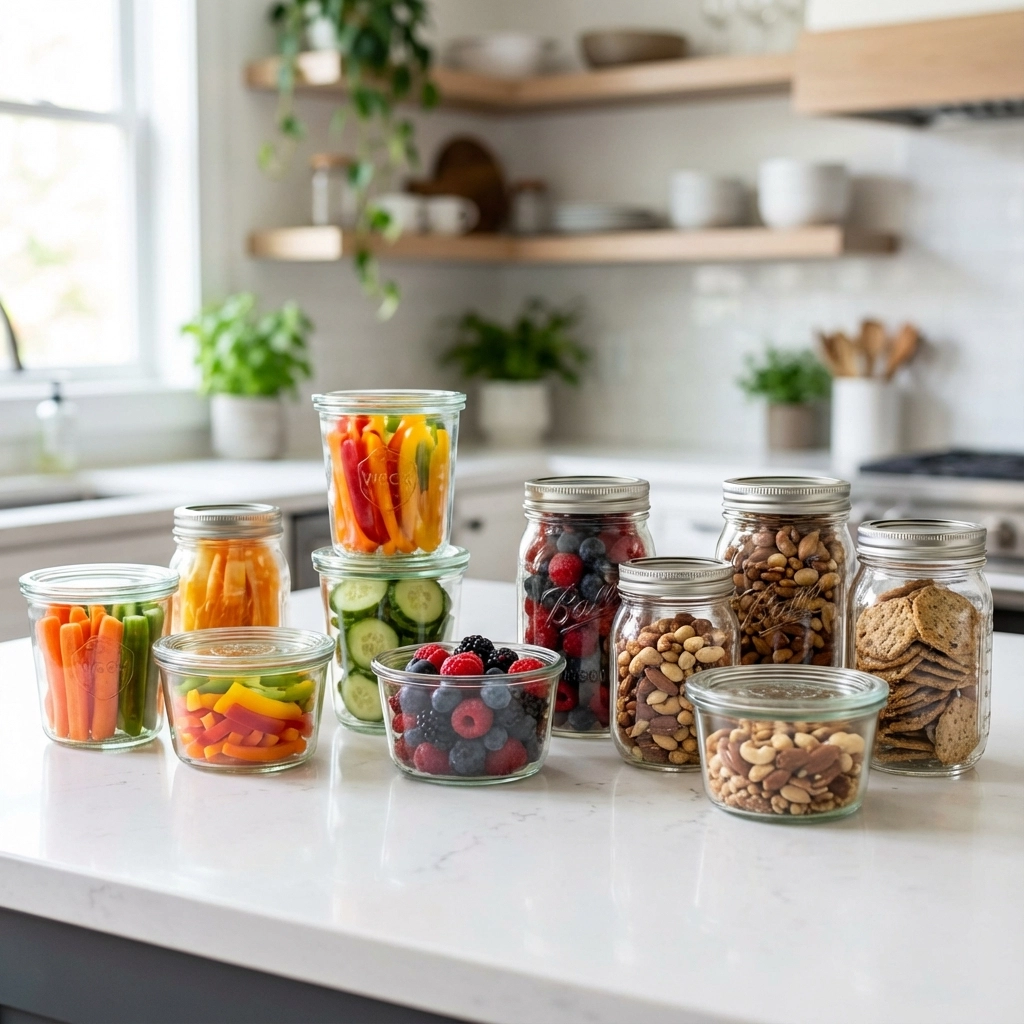
Immediately after grocery shopping, spend five minutes dividing healthy snacks into grab-and-go containers. Nuts, cut vegetables, fruits, and whole-grain crackers portioned into small containers eliminate decision fatigue and reduce the temptation to reach for processed options.
Create a designated healthy snack drawer or shelf at child-accessible height. When hunger strikes, family members automatically reach for pre-portioned nutritious options rather than searching through cabinets for whatever's available.
THE SUNDAY PLANNING ADVANTAGE
Dedicate five minutes each Sunday to planning the week's meals. Keep a rotating list of your family's ten favorite simple meals to eliminate daily decision-making. This brief planning session prevents last-minute fast-food runs and ensures necessary ingredients are available.
Involve children in this planning process by letting them choose one meal for the upcoming week. When kids participate in meal selection, they're more likely to eat what's prepared and less likely to complain about dinner options.
SMART PREPARATION STRATEGIES
The night before, have family members prepare lunch components in an assembly-line fashion. One person washes fruit, another fills water bottles, and someone else organizes sandwich ingredients. This five-minute team effort creates calmer mornings and ensures everyone leaves home with nutritious meals.
Keep a list of five-minute breakfast options posted in the kitchen: overnight oats, pre-made smoothie packs, hard-boiled eggs prepared on weekends, or whole-grain toast with nut butter. Having quick, healthy options readily available prevents rushed mornings from derailing nutrition goals.
Making Healthy Habits Stick
SCHEDULE HEALTH LIKE APPOINTMENTS
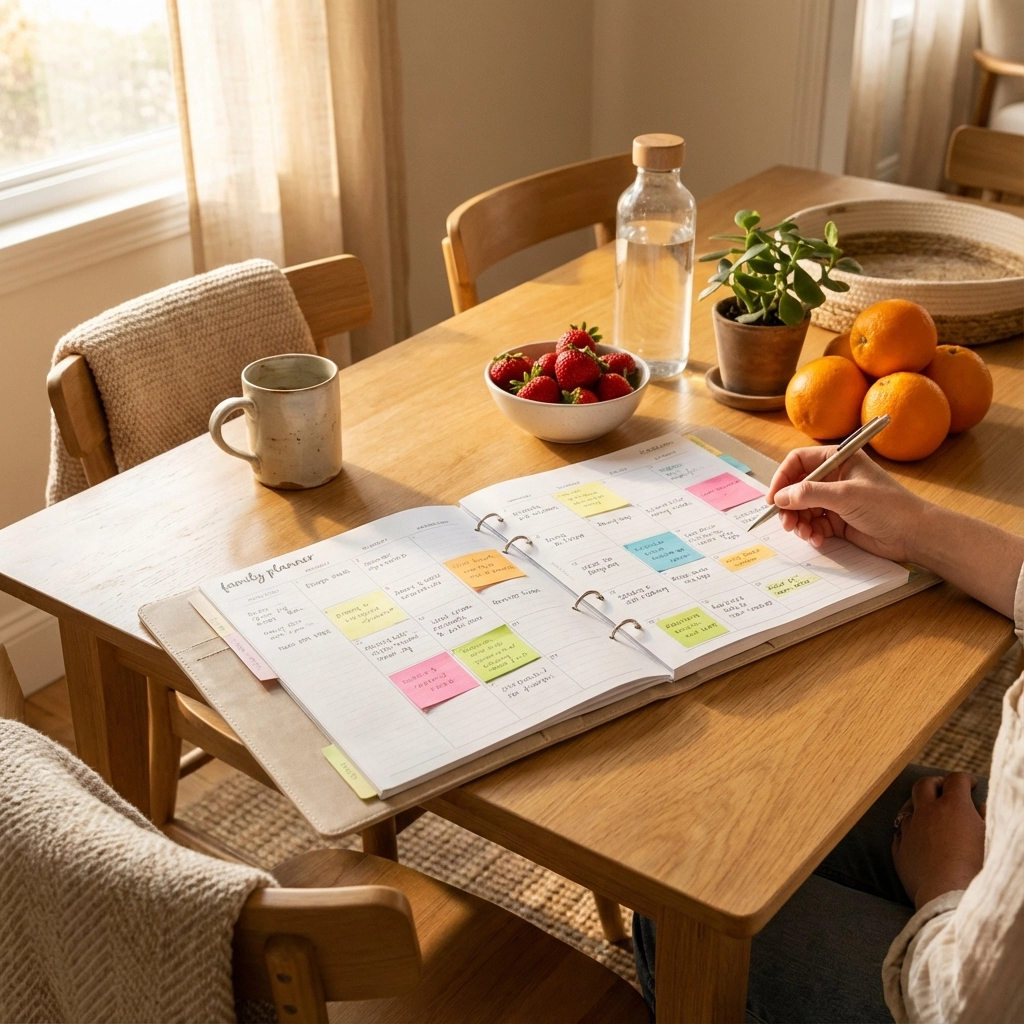
Set phone alerts for non-negotiable health activities just as you would for important meetings. A daily 5 PM family walk reminder or a weekend meal prep notification treats health as a priority rather than an afterthought.
Use visual cues throughout your home to reinforce healthy choices. Place water bottles by the door as reminders to stay hydrated during outings. Keep a basket of sports equipment near the entrance to encourage outdoor activity.
CREATE ACCOUNTABILITY PARTNERSHIPS
Assign each family member a "health buddy" responsible for encouraging specific habits. Parents can remind children about bedtime stretching, while kids can remind adults about taking movement breaks during work-from-home days.
Establish simple reward systems that celebrate consistency rather than perfection. A family that completes their five-minute evening walk for five consecutive days earns a special weekend activity together. These rewards reinforce the behavior without focusing on individual performance or competition.
START RIDICULOUSLY SMALL
The most successful families begin with habits so simple they seem almost silly. Doing one push-up before shower time, eating one extra vegetable at dinner, or taking three deep breaths before bedtime creates success experiences that build confidence for larger changes.
Once these micro-habits become automatic, family members naturally expand them. The single push-up becomes five, the extra vegetable becomes a full salad, and the three deep breaths extend into longer relaxation sessions.
Adapting to Family Dynamics
AGE-APPROPRIATE INVOLVEMENT
Younger children thrive on simple, game-like activities such as animal walks across the living room or helping count repetitions during family exercise time. Teenagers often prefer activities that feel less structured, such as walking to a local coffee shop or trying new healthy recipes together.
Adapt activities to accommodate different fitness levels and interests within the family. While one parent does modified push-ups, another might do wall push-ups, and children can do knee push-ups. The focus remains on moving together rather than matching intensity levels.
FLEXIBILITY WITHOUT ABANDONMENT

Build flexibility into your five-minute habit system by creating backup options for challenging days. When the planned family walk isn't possible due to weather, indoor dance sessions or stair climbing maintain the habit momentum.
Accept that some days will be imperfect, but avoid the all-or-nothing mentality that derails long-term success. Missing one day doesn't negate previous progress: consistency matters more than perfection.
Building Long-Term Success
The beauty of five-minute family health habits lies in their sustainability and scalability. As these brief activities become automatic, families naturally find themselves wanting to extend the time or try new variations. What begins as a five-minute evening walk often evolves into longer weekend hikes or family bike rides.
These small investments in family health create compound benefits that extend far beyond physical wellness. Children learn that healthy living doesn't require dramatic sacrifices or complicated routines. Parents model prioritizing self-care even during busy periods, teaching valuable life lessons about balance and consistency.
The evidence is clear: families don't need hours of free time to build lasting healthy habits. Five minutes of intentional action, consistently applied, creates the foundation for lifelong wellness. Start with one simple habit this week, involve every family member, and watch as small changes create meaningful improvements in your family's health and happiness.
For families ready to take the next step in their wellness journey, consider exploring personalized nutrition and training guidance that fits seamlessly into your existing routine.
Comments