
Kitchen Sabotage? 5 Simple Nutrition Swaps for Busy Families
- Dan DeLauter

- Feb 4
- 6 min read
Every evening, countless well-intentioned parents stand in their kitchens, ready to prepare something quick for their families. The problem? Many of the convenient staples lurking in pantries and refrigerators are quietly sabotaging their health goals. From sugar-loaded drinks to processed snacks marketed as wholesome options, these everyday choices add up: contributing to energy crashes, weight gain, and increased risk of chronic disease.
The good news is that healthier eating doesn't require a complete kitchen overhaul or hours of meal prep. Small, strategic swaps can dramatically improve a family's nutrition without adding stress to already packed schedules. These changes work because they're simple, sustainable, and built around foods that busy families actually use.
Why Small Swaps Make a Big Difference
For busy families juggling work, school activities, and household responsibilities, the idea of completely transforming eating habits can feel overwhelming. That's precisely why the swap strategy works so well. Instead of eliminating favorite foods or following restrictive diets, families simply replace less nutritious options with better alternatives that serve the same purpose.
These swaps reduce added sugars, increase fiber and nutrient density, and provide sustained energy throughout the day. Over time, these incremental changes become new habits: ones that don't require constant willpower or decision-making. The result is a gradual but meaningful shift toward better health for the entire household.
Swap #1: Ditch Sugary Drinks for Water or Seltzer
Nearly half of the added sugars in the average diet come from beverages. Sodas, fruit juices, sports drinks, and sweetened teas deliver empty calories without providing satiety or nutritional value. A single can of soda contains approximately 39 grams of sugar: exceeding the recommended daily limit for most adults.
Replacing sugary drinks with water, seltzer, or flavored water is one of the easiest and most impactful changes a family can make. Water supports every bodily function, from digestion to temperature regulation, without adding calories or triggering blood sugar spikes.
How to Make It Work:
Keep a pitcher of water with fresh lemon, cucumber, or berries in the refrigerator for flavor without sugar
Stock flavored seltzer in favorite fruit varieties to satisfy the craving for carbonation
Set a family rule that water is the default drink at meals, with other beverages reserved for special occasions
This single swap can eliminate hundreds of grams of added sugar from weekly family consumption while improving hydration and energy levels.

Swap #2: Replace White Bread with Whole Grains
White bread, pasta, and rice have been stripped of their fiber and nutrients during processing. What remains is a product that digests quickly, spikes blood sugar, and leaves people hungry shortly after eating. Whole grains, on the other hand, retain their bran and germ: the parts of the grain that provide fiber, B vitamins, and minerals.
Switching to whole wheat bread, brown rice, and whole grain pasta supports digestive health, provides sustained energy, and helps with weight management. The fiber in whole grains also promotes feelings of fullness, reducing the tendency to overeat or reach for unhealthy snacks between meals.
How to Make It Work:
Start with a blend: mix half white rice with half brown rice if the transition feels too abrupt
Choose whole wheat or sprouted grain bread with at least 3 grams of fiber per serving
Try quinoa or farro as alternatives to rice for added variety and nutrition
The texture and taste differences are minimal, especially when prepared with familiar seasonings and sauces. Most families adjust within a few meals and don't look back.
Swap #3: Trade Chips for Trail Mix
Potato chips and similar snacks are high in unhealthy fats, sodium, and calories while offering little nutritional value. They're designed to be addictive: crispy, salty, and easy to overconsume. Trail mix, particularly homemade versions, provides the same satisfying crunch with the added benefits of protein, healthy fats, and antioxidants.
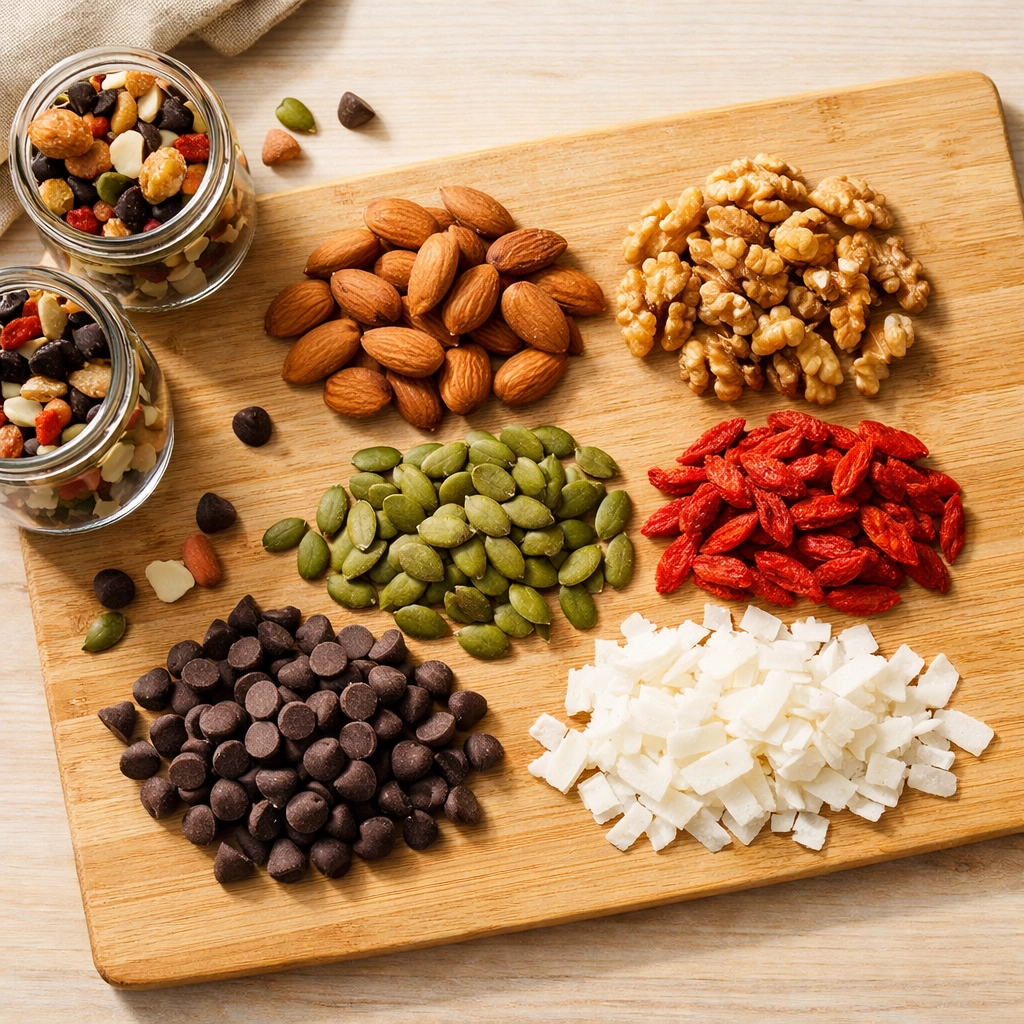
A simple mix of nuts, seeds, and dried fruit delivers nutrients that support heart health, brain function, and sustained energy. Almonds, walnuts, pumpkin seeds, and goji berries create a snack that actually nourishes the body rather than just filling empty space.
How to Make It Work:
Create individual portions in small containers or bags for grab-and-go convenience
Mix favorite nuts with dark chocolate chips or coconut flakes for a treat that still feels indulgent
Experiment with different combinations to find what the family enjoys most
Portion control matters with trail mix since nuts are calorie-dense, but the protein and fiber they provide make them far more satisfying than chips: meaning people naturally eat less.
Swap #4: Choose Plain Yogurt Over Sugary Varieties
Colorful yogurt cups marketed to children and adults alike are often packed with added sugars: sometimes as much as a candy bar. These products may contain probiotics and calcium, but the sugar content undermines their health benefits. Plain yogurt or chia pudding offers the same creamy texture and versatility without the hidden sugars.
Plain Greek yogurt provides protein, calcium, and beneficial bacteria that support gut health. Chia pudding, made by soaking chia seeds in milk or a dairy alternative, delivers fiber, omega-3 fatty acids, and protein: all nutrients that promote satiety and support overall wellness.
How to Make It Work:
Add fresh berries, a drizzle of honey, or a sprinkle of cinnamon to plain yogurt for natural sweetness
Prepare chia pudding the night before by mixing ¼ cup chia seeds with 1 cup milk and refrigerating overnight
Top with sliced banana, nuts, or a small amount of maple syrup for a breakfast or snack that feels like a treat
This swap teaches children (and adults) to appreciate less sweet flavors while still enjoying creamy, satisfying foods.
Swap #5: Embrace Frozen Fruits and Vegetables
The pressure to buy and use fresh produce before it spoils adds unnecessary stress to busy family life. Frozen fruits and vegetables are just as nutritious as fresh: sometimes more so, since they're frozen at peak ripeness: and they last for months in the freezer.
This swap saves time, money, and reduces food waste. There's no washing, chopping, or worrying about wilted lettuce or moldy berries. Frozen options are ready to use in smoothies, stir-fries, soups, and side dishes with minimal preparation.
How to Make It Work:
Stock the freezer with staples like frozen broccoli, mixed berries, spinach, and cauliflower rice
Add frozen fruit to morning smoothies or yogurt bowls for instant nutrition
Steam frozen vegetables as a five-minute side dish for any dinner
For families on a budget or with unpredictable schedules, frozen produce eliminates the all-or-nothing pressure of fresh options. It's always available, always ready, and always nutritious.
Making These Swaps Stick
The key to long-term success with nutrition swaps is simplicity and consistency. Start with one or two changes rather than attempting all five at once. Once those become routine, add another swap. This gradual approach prevents overwhelm and allows new habits to take root.
Meal planning and batch preparation on weekends make healthier choices easier during hectic weekdays. Preparing trail mix portions, washing and chopping vegetables, or making a large batch of chia pudding sets the family up for success when time and energy are limited.
Involve children in the process. Let them help mix trail mix, choose frozen fruits for smoothies, or select whole grain bread at the grocery store. When kids participate in food decisions, they're more likely to accept and enjoy the changes.
The Bigger Picture
These five nutrition swaps aren't about perfection or deprivation. They're about making better choices most of the time, reducing the nutritional sabotage that happens in busy kitchens, and setting up families for long-term health and vitality.
Small changes create momentum. Families who successfully implement these swaps often find themselves naturally gravitating toward other healthful choices. Energy improves, cravings for processed foods decrease, and the entire household begins to feel the difference that better nutrition provides.
For parents who want to be strong, active, and present for their children: not just today, but for decades to come: these simple swaps are a practical starting point. They require minimal effort, fit into real life, and deliver results that matter.
The kitchen doesn't have to be a place of sabotage. With a few strategic changes, it becomes a foundation for family health, energy, and longevity. Start with one swap this week, and build from there. Your future self: and your family( will thank you.)
Comments